
Affiliate Disclosure: This post contains affiliate links. As I am a part of the eBay Partner Network and other programs, if you follow these links and make a purchase, I’ll receive commission. As an Amazon Associate, I earn from qualifying purchases.
Disclaimer: This is not buying or investment advice. I’m simply reporting the data I’m seeing. Please do your own research and make your own decisions. Just because cards have increased in value up to this point, it doesn’t mean they will continue to do so.
Disclaimer: This is not buying or investment advice. I’m simply reporting the data I’m seeing. Please do your own research and make your own decisions. Just because cards have increased in value up to this point, it doesn’t mean they will continue to do so.
If you’ve spent any time scanning eBay lately, you already know the market feels… well, fast. Names are popping, sales are clustering, and certain cards are getting scooped up in waves. That’s early-season baseball for you.
But instead of guessing, this dataset gives a clearer picture of what’s actually selling right now, at scale. Completed sales with volume behind them.
Below, I’ll break down what stands out after reviewing the full set of top-selling cards—where the volume is concentrated, what types of cards are dominating, and what this tells us about how buyers are behaving in the current market.
Here are the 100 best selling baseball cards on eBay as reported by Market Movers based on a 30-day average.
What are we seeing? Here are some observations:
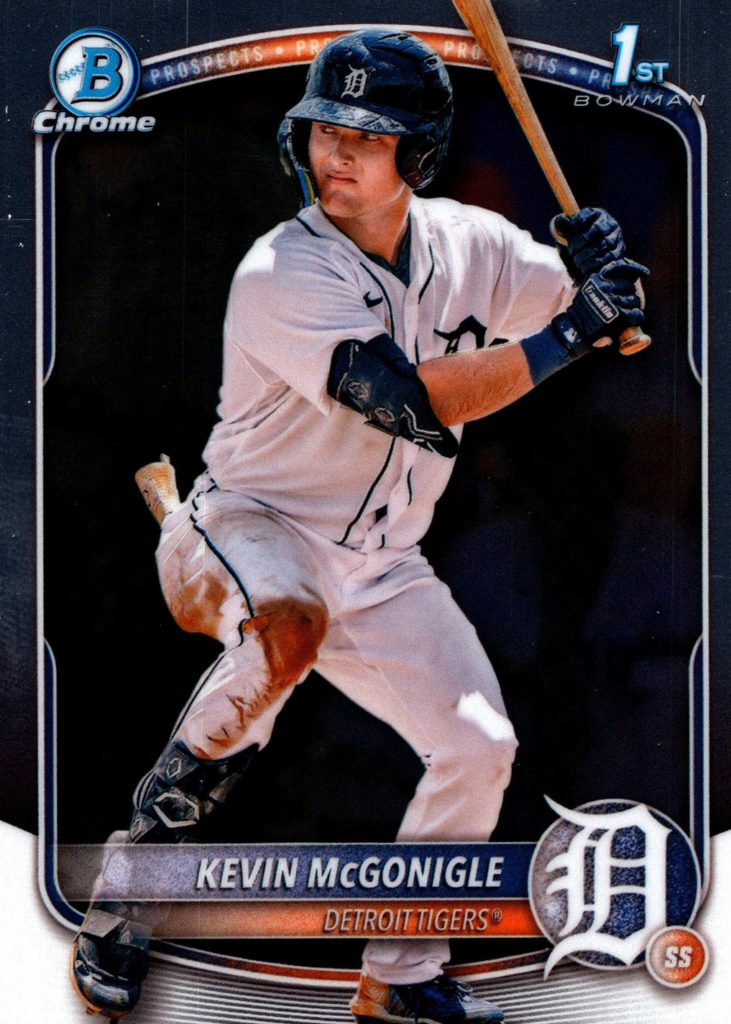
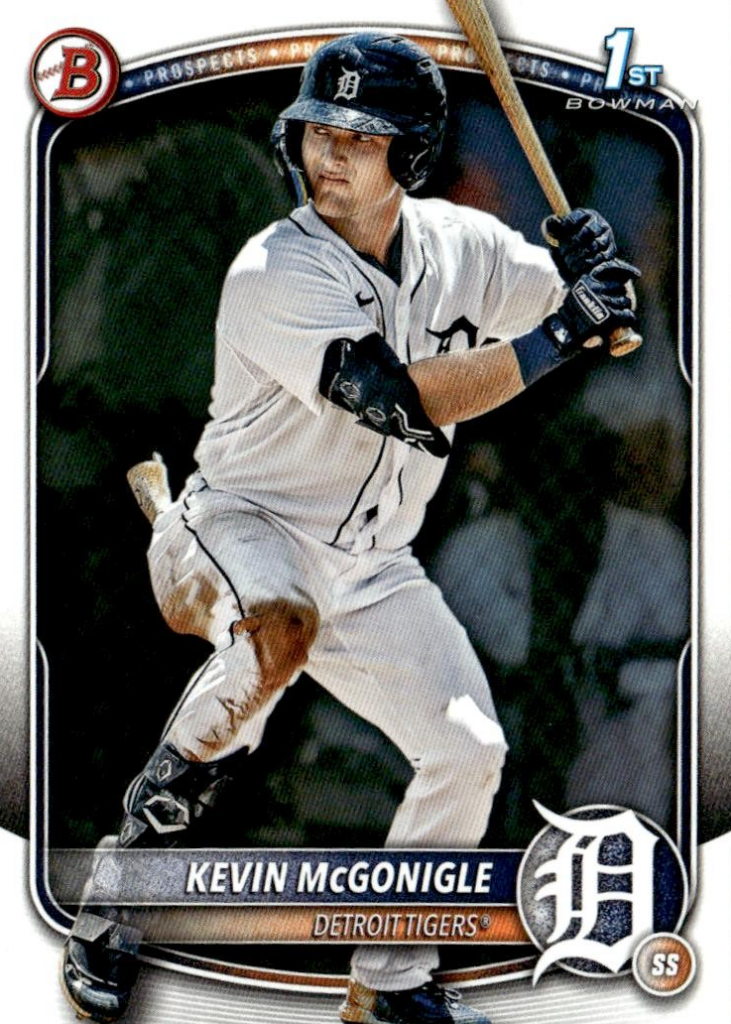
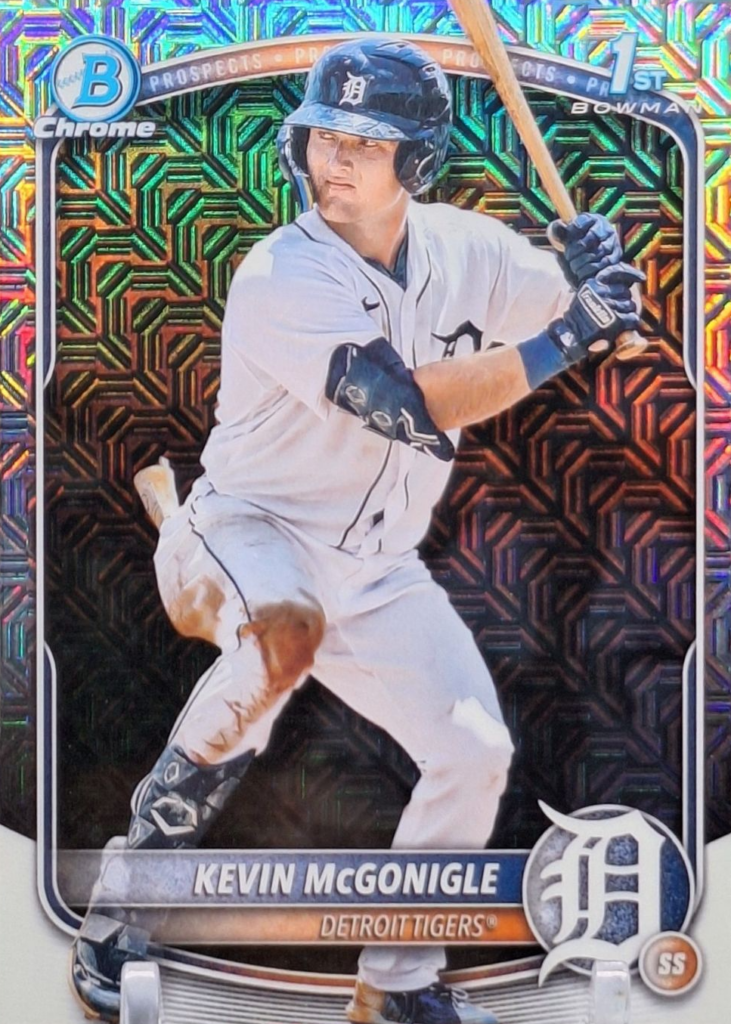
1. Kevin McGonigle is the Clear Breakout
McGonigle (a regular entry on our top selling baseball cards list) isn’t just present. He’s everywhere in this dataset. Multiple cards, repeated sales, consistent turnover.
That’s what matters:
- Not a spike
- Not a one-time comp
- Sustained buying activity
This is what early-stage demand actually looks like when it’s real. The market is actively trying to price him in, and it hasn’t fully settled yet.
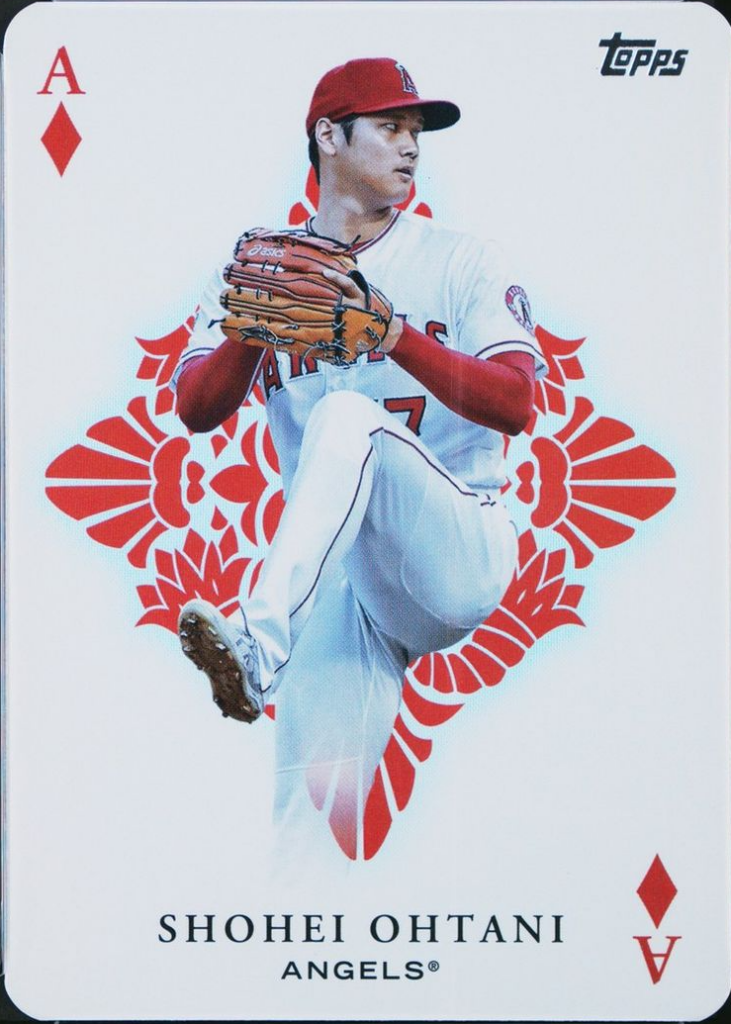
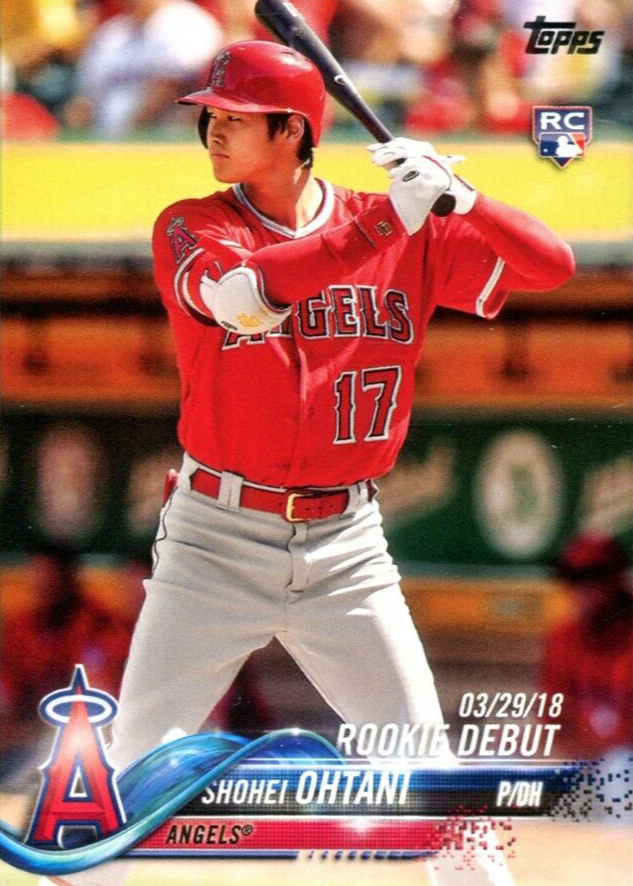
2. Ohtani Is Still the Most Liquid Player in the Market
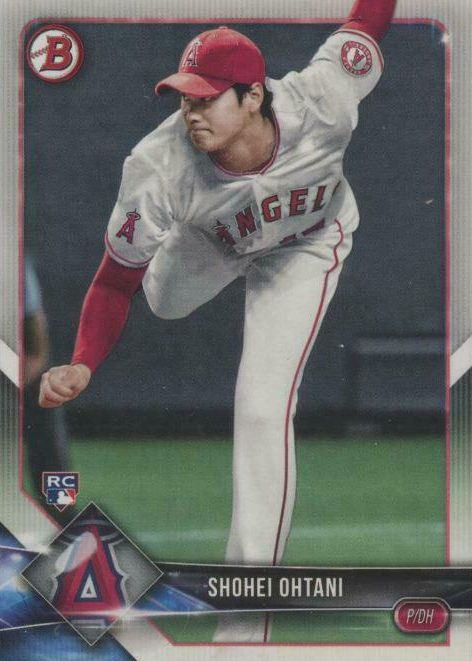
Even with all the prospect noise, Shohei Ohtani is still showing up at a high clip.
The difference is how he shows up:
- Broader range of cards
- Consistent turnover across price points
- Reliable buyer base
3. Prospect Volume Is Concentrated
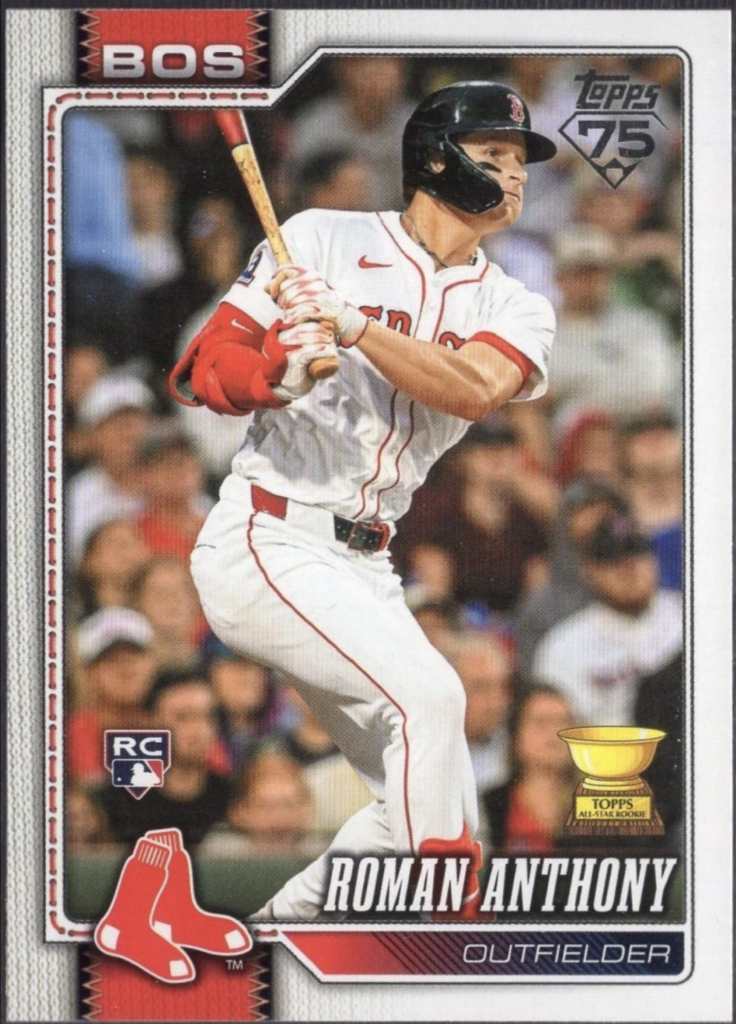
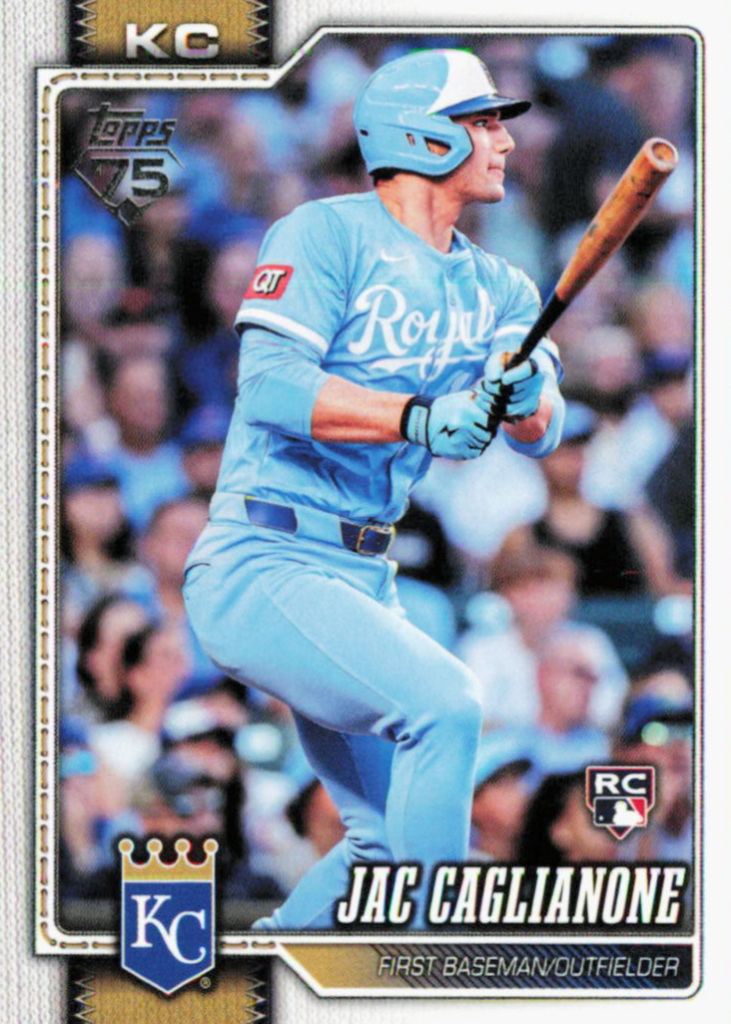
There are a lot of prospects in the top 100, but the activity isn’t evenly distributed.
You’re seeing clustering around a core group:
- Kevin McGonigle
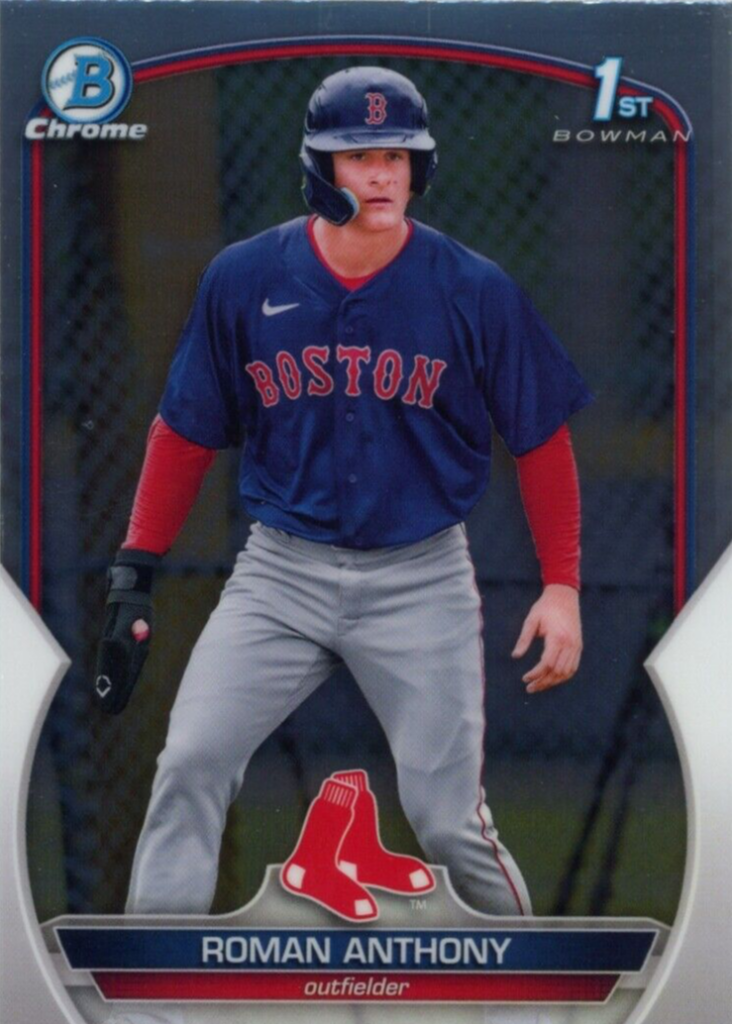
- Roman Anthony
- Paul Skenes
- Jac Caglianone
- Nick Kurtz
That’s important. The market isn’t chasing every prospect. It’s locking in on a handful and pushing volume through those names.
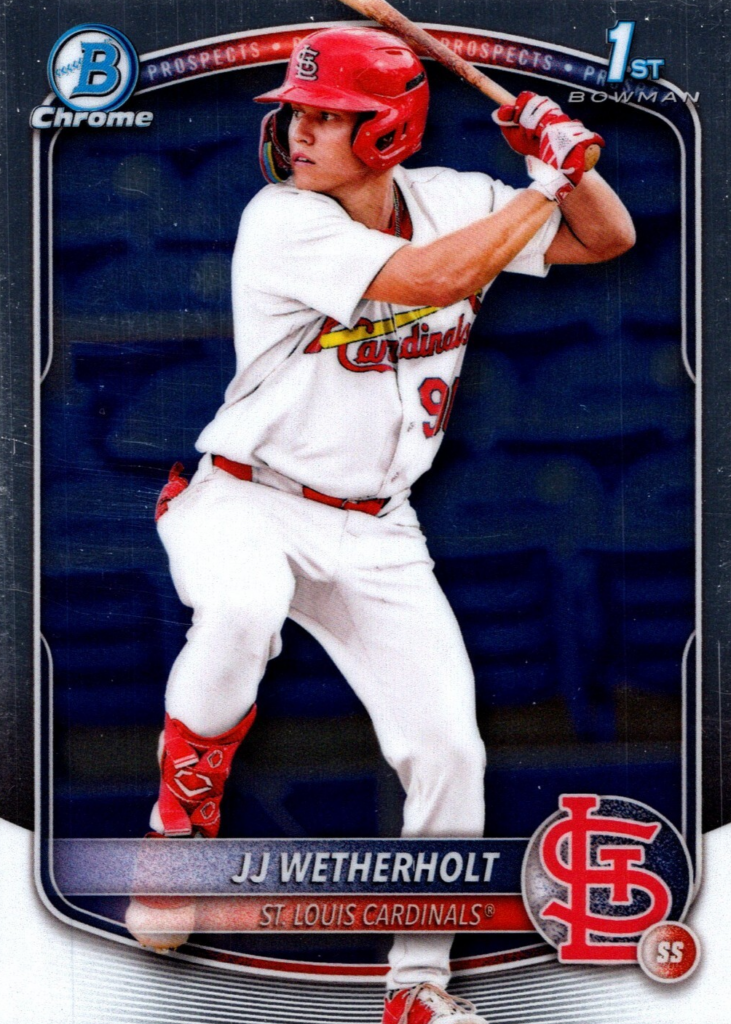
4. Bowman Chrome and Prospect Autos Are Carrying the Load
When you look at what types of cards are actually moving, a pattern shows up quickly:
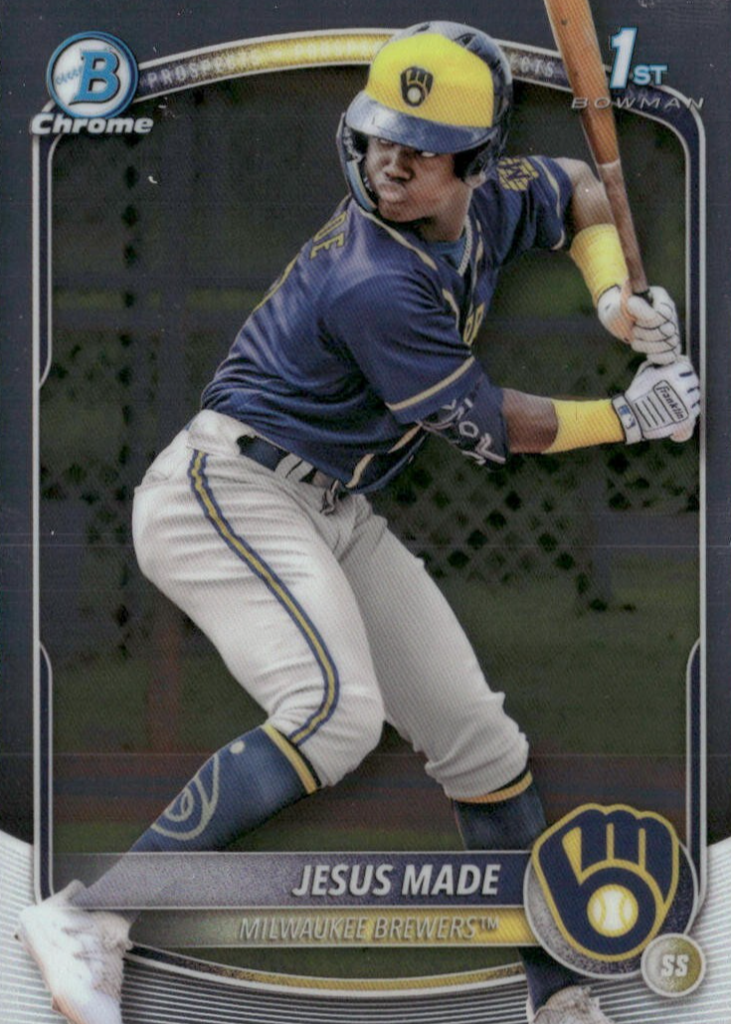
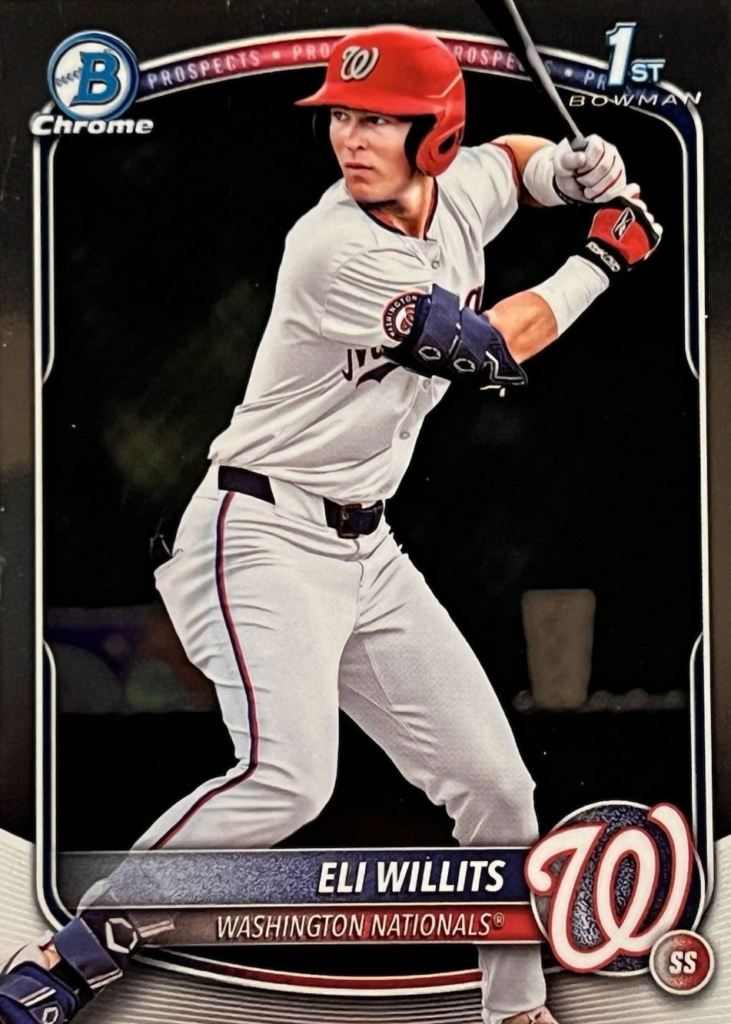
- Bowman Chrome
- Prospect autos
- First-year cards
These formats dominate the top 100. That’s not new, but the concentration here reinforces it. When buyers are chasing upside, they go straight to:
- First cards
- Chrome
- Autos
5. Legacy Names Are Present, But Not Driving the Market
You still see:
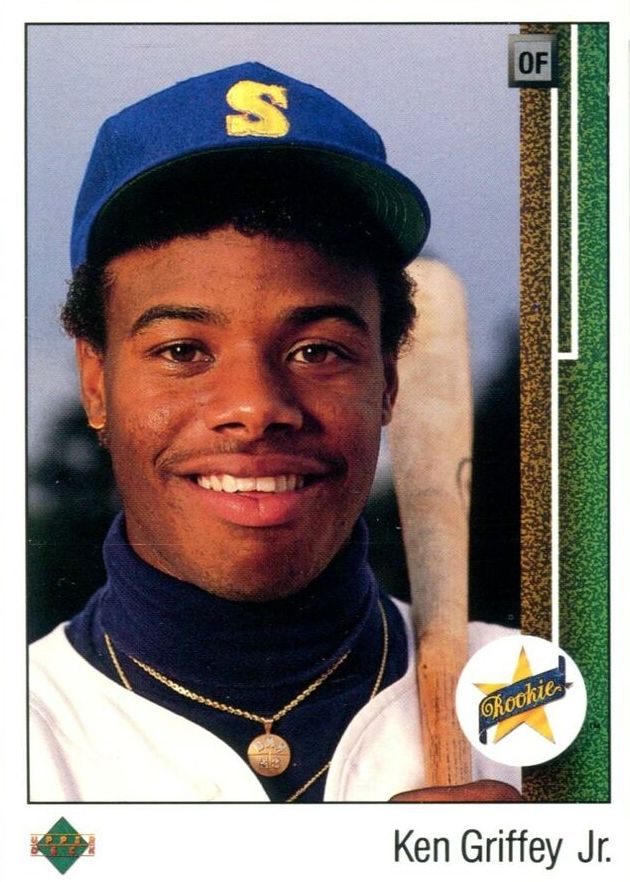
- Ken Griffey Jr.
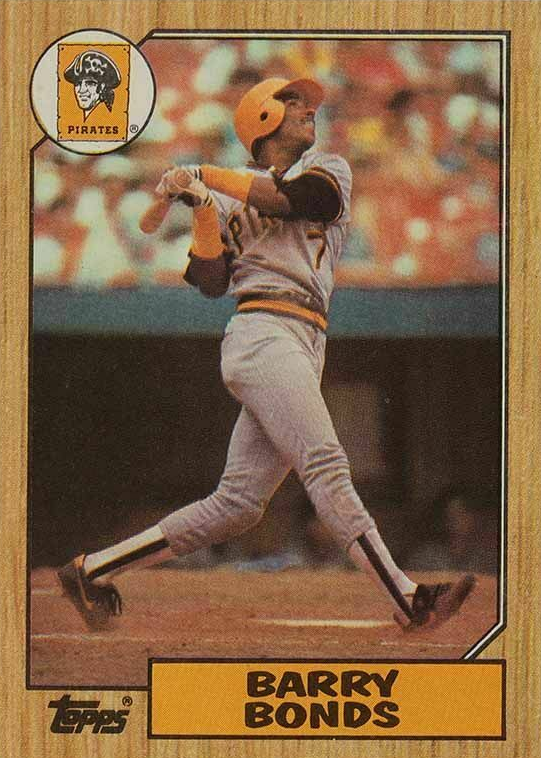
- Barry Bonds
- Bo Jackson
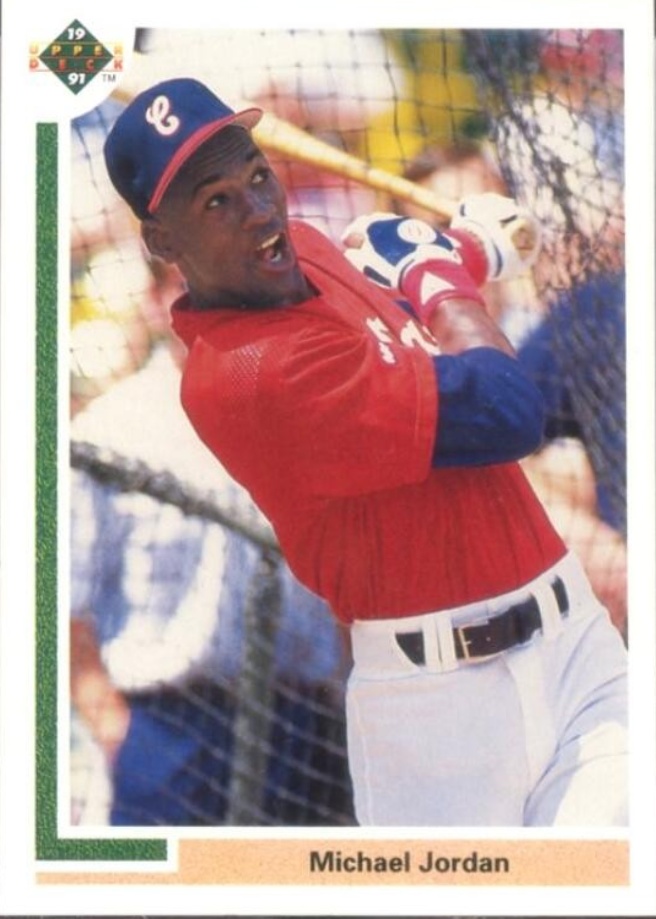
They’re moving, but differently. That’s collector-driven demand, not momentum-driven demand.
6. This Is a Reaction-Based Market
Zoom out, and the pattern is consistent across all of this:
- McGonigle spikes → volume floods in
- Prospects perform → buying concentrates quickly
- Known players (Ohtani) → steady liquidity holds
This is a market reacting in real time to what’s happening on the field and online.

Ryan Barone (“Ballcard Genius”) is a recognized sports card expert and lifetime collector. With nearly 27,000 TikTok followers and over 3,000 SubStack subscribers, Ryan loves talking cards, dishing tips, and building hobby communities. hello@ballcardgenius.com; Last Time Ago LLC dba Ballcard Genius.